Windows 11 Takes Its First Step Toward True Agentic Computing
Microsoft details a shift that could redefine how people think about productivity on the PC.

Key Takeaways:
- Windows 11 is moving toward a true agentic model where AI can complete tasks independently, but only inside tightly controlled workspaces that keep user data and activity separate and secure.
- Microsoft has built strict guardrails for developers, including mandatory logging, least privilege access, and explicit user approval for sensitive actions, creating an auditable and predictable AI environment.
- Copilot Actions will be the first real example of this agentic framework in action, and third party apps will soon follow, paving the way for a Windows experience where background automation becomes a core part of how the OS works.
Microsoft has started to clearly outline what it means when it says Windows 11 is becoming an agentic operating system. WindowsCentral.com reported late yesterday that Microsoft is sharing details in a support document that show how AI will shift from being a collection of add ons to becoming part of the operating system’s core design.
This vision is not simply about smarter features. It is about a Windows environment that can carry out work in parallel, stay secure, and remain fully under user control.
Agent workspaces – What if Windows could finish tasks on your behalf while you keep working without missing a beat?
The most important new concept is the agent workspace. Workspaces will appear soon in a private Windows Insider preview. An agent workspace is a contained environment inside Windows where AI agents can operate separately from the user. These workspaces give AI access only to apps and files you choose while keeping your desktop clear and uninterrupted.
Agents run in parallel, operating through their own lightweight Windows session with their own account and their own virtualized desktop area. This separation makes security boundaries easier to enforce.
Security first: If an AI makes a mistake, how do you make sure you can see it and stop it
Security is the foundation of Windows 11 agent workspaces. Workspaces are designed to be more efficient than full virtual machines (VMs) while still having strong isolation. Resources scale automatically depending on what the agent is doing.
Microsoft outlined three essential principles that must guide every agentic feature:
- Non repudiation ensures that agent actions are always visible and traceable
- Confidentiality requires that any sensitive data accessed by an agent must follow the same standards that apply to human users.
- Authorization means that every action and every request for data must be approved by the user.

Developer guidelines: Should an AI ever see your credit card info without you confirming it first?
Developers who want to build agent powered apps will need to follow strict rules. Agents must be able to provide detailed activity logs that Windows can verify. Users should be able to review an agent’s planned steps, approve its workflow, and supervise execution throughout.
Agents must use the least privilege model and should never exceed the permission level of the user who invoked them. Sensitive data is only accessible in specific, user sanctioned scenarios. Even high level system accounts are restricted.
Early real-world use: How useful would Copilot become if it could operate like a real assistant instead of a pop up?
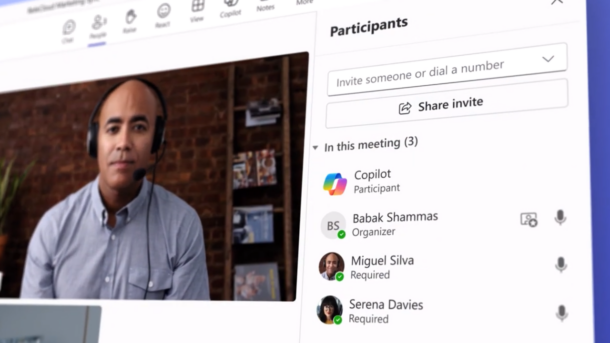
The first example of the agentic model in action will be Copilot Actions. Agents will run inside their own agent workspace and use the same security and oversight framework. This approach gives Copilot the ability to perform work with a higher level of autonomy while still restricting it to the access the user has approved.
Microsoft also said that third-party developers will be able to build their own agents using this framework. Over time, many Windows applications may ship with their own background agents that can automate complex tasks, improve productivity, or help users manage workflows more efficiently.
Bringing it all together: Microsoft is opening Windows using Model Context Protocol (MCP)
Model Context Protocol (MCP) servers will be directly embedded into Windows. The public preview of the Windows On Device Registry (ODR) introduces a secure, governed home for MCP servers on Windows. MCP servers act as trusted connectors that let agents reach into Windows features and apps while staying inside the same safety model as the agent workspace.
Microsoft is shipping the first built-in MCP servers for File Explorer and System Settings, which gives agents controlled access to core experiences. That means an agent can organize files or adjust system preferences, and it can only do so with your approval and within the boundaries of its workspace.
Pair that with agent workspaces and you start to see the broader design.
The future of Windows: What if Windows started feeling less like a toolbox and more like a teammate?
Microsoft is showing its complete vision for how AI will transform Windows 11. Instead of layering AI tools on top of Windows, its building a deeper foundation that allows agents to operate securely, predictably, and with clear boundaries. The long-term result is an OS that quietly works alongside the user and takes on background tasks without demanding constant input.
If Microsoft continues down this road, future versions of Windows could evolve into systems that take on more responsibility while still giving users full visibility and control. It is a shift that could redefine how people think about productivity on the PC.

Russell Smith, the Editorial Director at Petri IT Knowledgebase, has over two decades of hands-on experience in IT, in both small business settings and government IT infrastructure projects. Russell started writing for Windows IT Pro Magazine in t...