Artificial Intelligence
- Blog
- Artificial Intelligence
About Artificial Intelligence
About Artificial Intelligence
Artificial Intelligence (AI) is one of the most transformative technologies of the last 25 years. It encompasses the systems and algorithms that enable computers to perform tasks traditionally requiring human intelligence, such as understanding language, recognizing patterns, making decisions, and learning from experience. As organizations increasingly adopt digital solutions, AI has become central to improving efficiency, enhancing security, and driving innovation across industries.
FUNDAMENTALS
-
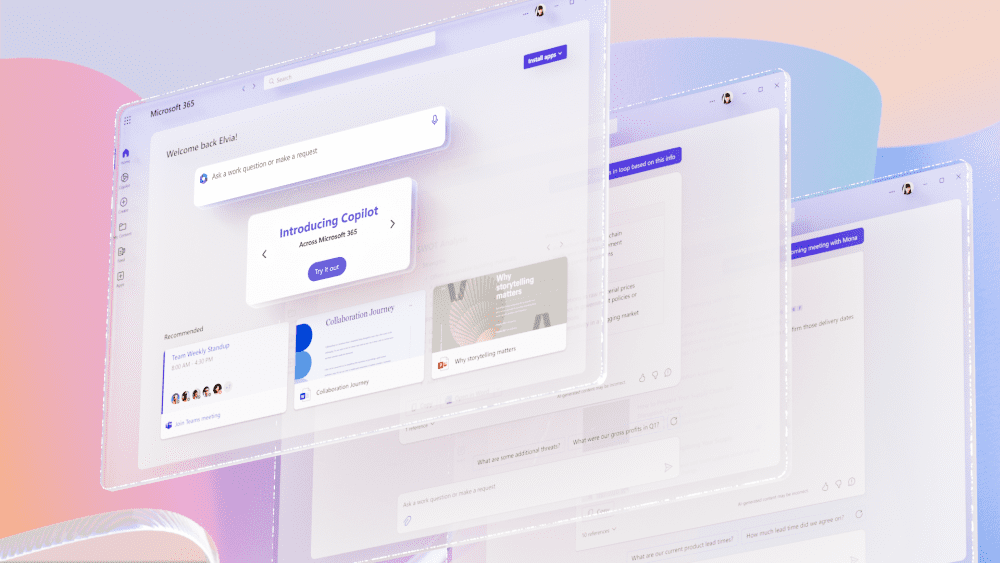
 Introducing Copilot Agents: What You Need to KnowImagine finishing your workday and realizing that a Copilot agent has already summarized your meetings, scheduled follow-ups, and drafted your…
 -
Introducing Microsoft 365 Copilot Connectors: What You Need to KnowMicrosoft 365 Copilot Connectors provide a way of making data outside of Microsoft 365 available to Copilot. Although Microsoft 365…
-
Microsoft Leads the Way in Responsible AI Integration and ESG ComplianceArtificial intelligence (AI) has rapidly evolved from a sci-fi fantasy to a part of the everyday vernacular for individuals and…


GETTING STARTED
-
Artificial Intelligence: The Emergence of Frontier FirmsMicrosoft released its annual Work Trend Index Report this week and it concluded: ‘‘The question isn’t if AI will reshape…
-
Copilot Agents vs Power Automate: What’s the Difference?Organizations often use Microsoft Power Automate to cut down on repetitive tasks, reduce errors, and save time for more important…
-
Why Are Users Choosing ChatGPT Over Microsoft 365 Copilot?There’s been a lot of chatter this week about Microsoft struggling to get businesses on board with Microsoft 365 Copilot.…

TUTORIALS
-
How to Enable Microsoft Copilot Effectively: A Quick GuideThe buzz around Microsoft Copilot has been well-documented. Since its inception, this intelligent AI assistant tool has offered users access…
-
What Is Microsoft Copilot Studio? Your Essential GuideQuick summary:Microsoft Copilot Studio is a low-code AI platform that lets businesses create and customize copilots — intelligent assistants that…
-
A Guide to Using Microsoft Copilot With SharePointThis guide explores how SharePoint and Copilot intersect, providing practical applications and considerations for IT professionals managing complex enterprise environments.…