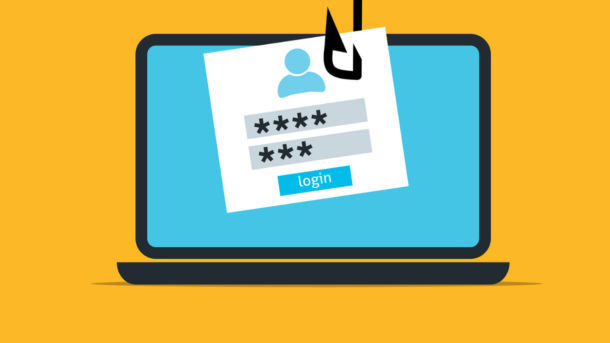
Bank of America Warns Against Sharing Banking Credentials with AI Agents
As AI agents take on more financial tasks, security experts warn that sharing banking credentials could increase the risk of fraud, unauthorized transactions, and account compromise.

Key Takeaways:
- Bank of America warns against sharing banking usernames and passwords with AI agents.
- Credential sharing can bypass existing security controls and complicate fraud investigations.
- Emerging authentication models may reduce risk, but organizations still need strong governance and access controls.
As AI agents become more capable of completing tasks on users’ behalf, some consumers and businesses are experimenting with giving these tools direct access to online accounts. Bank of America has warned customers not to share banking usernames and passwords with AI agents, arguing that doing so creates significant security and liability risks. If an AI service is compromised, mishandles credentials, or gains broader access than intended, users could expose sensitive financial data or even lose control of their accounts.
The concern reflects a growing tension in enterprise and consumer AI adoption. Organizations want to automate repetitive tasks such as account monitoring, bill payments, expense tracking, and financial reporting, but many existing services were never designed for AI-driven access. In some cases, the only available integration method is logging into a website directly with credentials.
Why are banks concerned about credential sharing?
According to Bank of America, handing passwords to third-party AI agents effectively bypasses many of the security controls banks rely on to protect customer accounts. Once credentials are shared, financial institutions may have limited visibility into who or what is accessing the account. This can complicate fraud investigations, increase the risk of unauthorized transactions, and potentially create disputes over liability if an account is compromised.
Businesses would prefer to automate access when no official API exists. However, a single compromised AI platform, browser extension, or automation workflow could provide attackers with direct access to financial systems, customer data, or corporate funds. As AI agents become more autonomous, the potential impact of credential misuse grows accordingly.
Alternative authentication models aim to reduce risk
Organizations should prioritize methods that separate authentication from automation rather than sharing passwords directly with AI tools. This is where emerging approaches such as 1Password’s agent authentication model become relevant.
The password manager recently introduced technology that allows AI agents to authenticate to supported services without ever seeing or storing the underlying password. Authentication is handled through controlled, encrypted workflows that grant access only when required. This reduces the risk that sensitive credentials can be leaked, logged, or misused by the agent.
Security experts note that this approach is not an unrestricted endorsement for granting AI agents access to high-value systems like bank accounts. However, it offers a safer alternative for lower-risk automation scenarios. For example, a small business that needs an AI agent to interact with a legacy web application lacking API support could use delegated authentication mechanisms.
According to an industry observer, people will likely continue seeking ways to automate account access regardless of security guidance. Technologies that prevent agents from directly viewing credentials can help reduce exposure even if they do not eliminate risk.
Automation still requires strong oversight
Credential-isolation technologies improve security, but they do not solve every problem. Organizations still need to trust the AI agent’s actions, enforce least-privilege access, monitor activity, and determine which systems are appropriate for automation. Even when passwords remain hidden, an authorized agent could still perform unintended actions if workflows are poorly configured or abused.
This leaves enterprises balancing the productivity gains offered by AI-powered automation and the need to maintain strict control over sensitive systems. Solutions such as delegated authentication, vault-based credential management, and API-driven access provide a more secure path forward than password sharing, but they also introduce additional implementation complexity and governance requirements. The safest approach remains avoiding direct AI access to critical financial accounts, while adopting stronger authentication controls for less sensitive automation use cases.

Rabia has a master's degree in Software Engineering and she has years of experience writing professionally about Microsoft products and other technologies. Rabia has also written for OnMSFT.com as well as Windows Report. She is always up to date on t...