Blog

Exchange Online Admin API Apps Must Migrate to New Permissions
- Nov 09, 2026
-


Microsoft is changing how applications authenticate to the Exchange Online Admin API v2.0, retiring the existing Exchange.ManageV2 and Exchange.ManageAsAppV2 permissions in favor of new, more specific permissions. Organizations that use custom scripts, automation tools, or third-party applications connected to the API must update their configurations before the November 30 deadline. If administrators fail to make…

AI Agent Security Needs More Than Least Privilege
- Nov 09, 2026
-
 Russell Smith
AI agent security is creating a familiar problem for IT teams. Enterprises are giving autonomous agents access to applications, infrastructure, and sensitive data, sometimes with the same excessive privileges organizations have spent decades trying to eliminate from human accounts. The difference is speed. An overprivileged human identity presents a security risk and an overprivileged AI…

Microsoft Entra Introduces Conditional Access Policy Plans in Public Preview
- Nov 09, 2026
-
As organizations expand their use of Conditional Access policies, managing access controls becomes increasingly complex. Security teams often create multiple policies with overlapping users, exclusions, and conditions, which leads to policy sprawl and administrative overhead. This challenge is growing even further as organizations begin securing new identity types such as AI agents. The result is…

First Ring Daily: The Build and Outs
- Nov 09, 2026
-


In this episode of First Ring Daily, Brad Sams and Paul Thurrott discuss Microsoft cutting data center budgets, how AI could potentially help to modernize ancient codebases, and more.

Help Desk Security Gaps Attackers Exploit in Account Recovery Workflows
- Nov 06, 2026
-

Account recovery operates when normal trust signals are unavailable or unreliable. A user loses a device, an administrator is locked out, or an authentication method must be replaced. In each case, the organization must decide with incomplete evidence whether the identity can be trusted again, making account recovery security a critical part of the help…

Most Organizations Cannot Quickly Exit Their Cloud Provider
- Nov 06, 2026
-
Organizations increasingly believe they have control over their cloud environments, but many are far more dependent on major cloud providers than they realize. A recent Leaseweb survey found that 89% of businesses could not move critical workloads away from their primary cloud or infrastructure provider within three weeks, and more than half said such a…

GitHub App for Microsoft Teams Hits General Availability
- Nov 05, 2026
-
Many organizations collaborate in Microsoft Teams, but software development workflows often remain fragmented across separate tools. Developers, support teams, and business stakeholders must constantly switch between Microsoft Teams conversations and GitHub to track issues, review code changes, respond to notifications, and coordinate work. This context switching can slow decision-making and make it harder to connect…

Non-Human Identities are Becoming a Growing Security Risk
- Nov 05, 2026
-
Organizations are creating huge numbers of non-human identities (NHIs), such as service accounts, API keys, certificates, tokens, cloud workloads, automation tools, and AI agents. These machine identities now power modern applications and cloud services, but many organizations still apply identity controls designed primarily for human users. As a result, NHIs often lack proper visibility, lifecycle…

Microsoft Unifies Entra Private Access and Internet Access Under Global Secure Access
- Nov 05, 2026
-
As organizations expand across cloud services, SaaS applications, on-premises environments, and AI platforms, securing access has become increasingly fragmented. Many companies still rely on separate identity and network security tools, which forces administrators to manage duplicate policies across different consoles. This separation can create visibility gaps, inconsistent enforcement, and operational complexity that attackers may exploit….
How Agentic NetOps Accelerates Operations Team Efficiency at Scale
- Nov 04, 2026
-
Song Pang
 Song Pang
The biggest challenge in network operations isn’t always finding the problem. It’s getting the right context to the right people at the right time. Consider a routine overnight incident that quickly spirals into hours of investigation, handoffs, and decision-making. The alert goes off at 2:47 a.m. with a BGP flap, an instability in a core…

Microsoft Optimizes Windows 11 Version 26H2 for PCs With 8GB of RAM
- Nov 04, 2026
-
When available memory runs low, Windows must move active data from RAM to slower storage, which causes applications and browser tabs to reload when users return to them. This can make everyday tasks feel less responsive, especially on lower-cost devices. The issue has become more significant as rising DRAM prices threaten the affordability of sub-$500…
Windows Deployment Services Alternatives: 5 Options to Consider
- Nov 03, 2026
-
Brien Posey
 Brien Posey
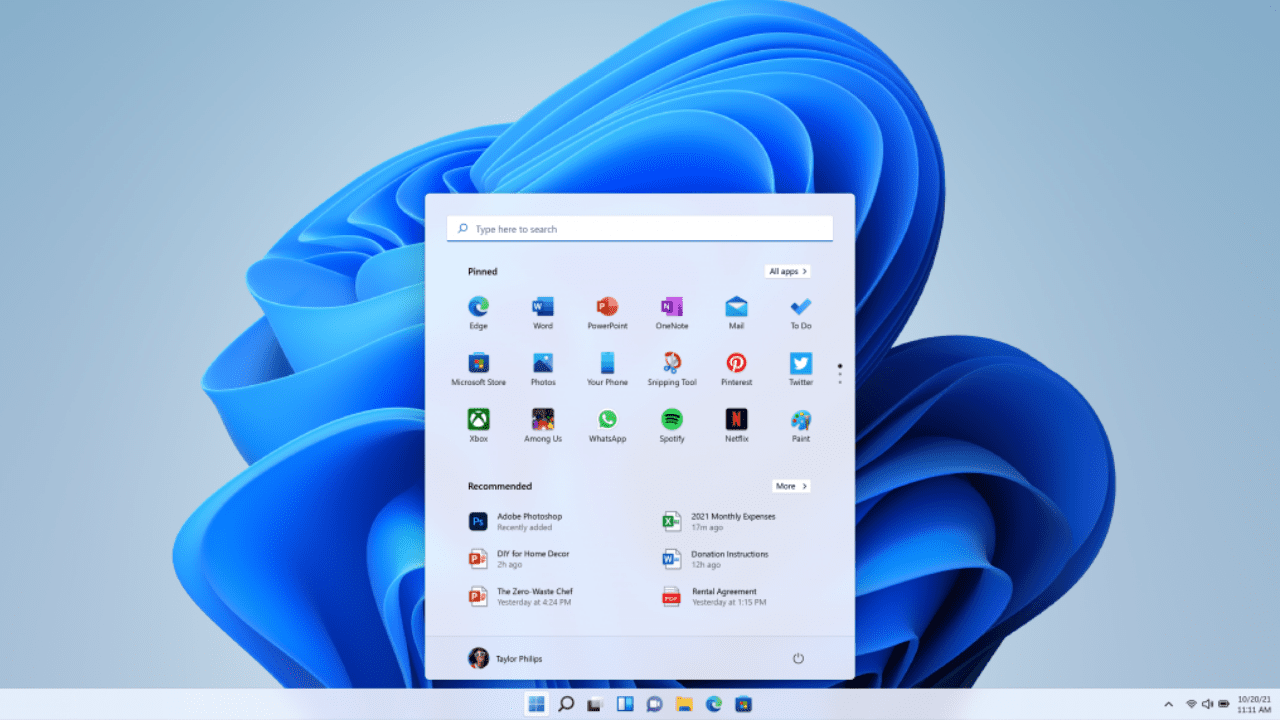
Are you researching Windows Deployment Services alternatives? Windows Deployment Services (WDS) is going away. Not soon, but you should start preparing for it. I recommend considering the deployment outcome, not with a search for a like-for-like WDS replacement. Use Windows Autopilot and Microsoft Intune when devices can retain their OEM Windows installation and receive configuration…