Virtualization
- Blog
- Virtualization
About Virtualization
About Virtualization
Virtualization is the process of creating virtual versions of computing resources, such as servers, desktops, storage, or networks that run on top of physical hardware. Instead of dedicating a machine to a single operating system or application, virtualization allows multiple virtual environments to run independently on the same hardware. This technology has transformed the way organizations design and manage their IT infrastructure, enabling greater flexibility, efficiency, and cost savings.
FUNDAMENTALS
-
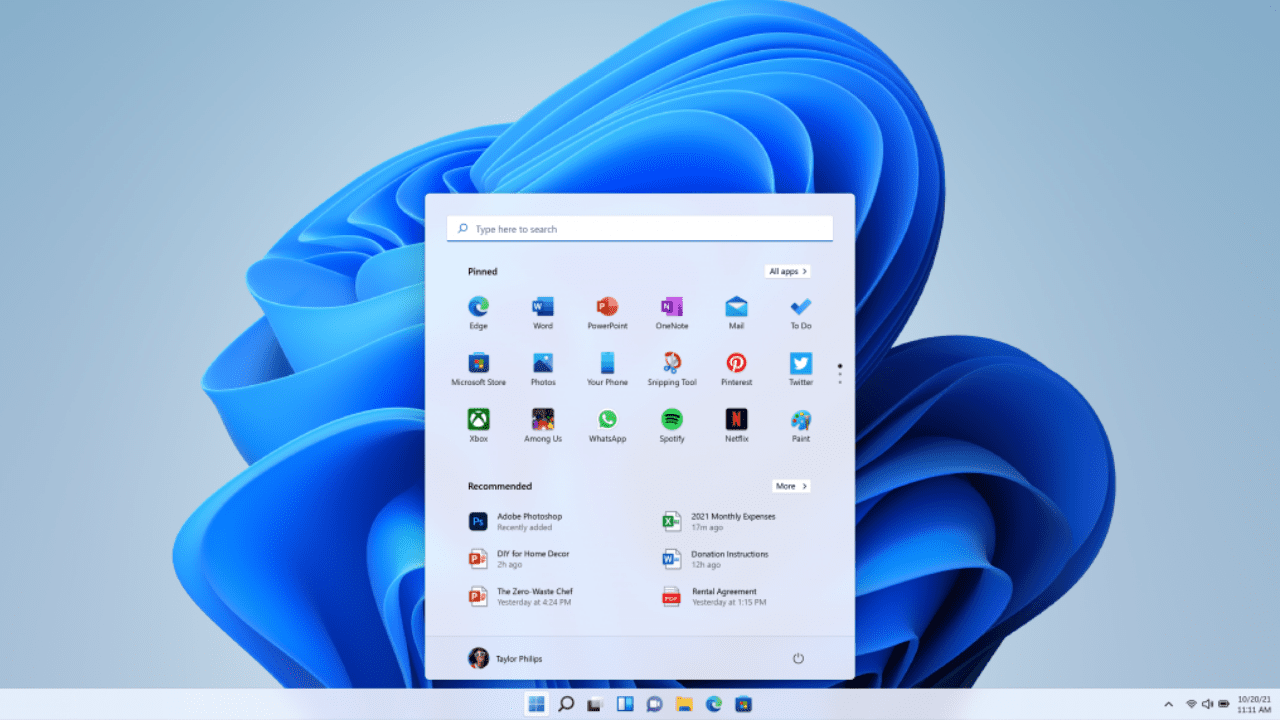
 Azure Virtual Desktop: The Definitive Guide for IT ProsAzure Virtual Desktop (AVD) is changing the game for organizations looking to provide secure, flexible, and scalable remote work environments.…
 -
 Leveraging Virtualization for Improved Availability and Disaster RecoveryWhile there’s no doubt that the use of the cloud and containers are rapidly growing, the reality is that server…
 -
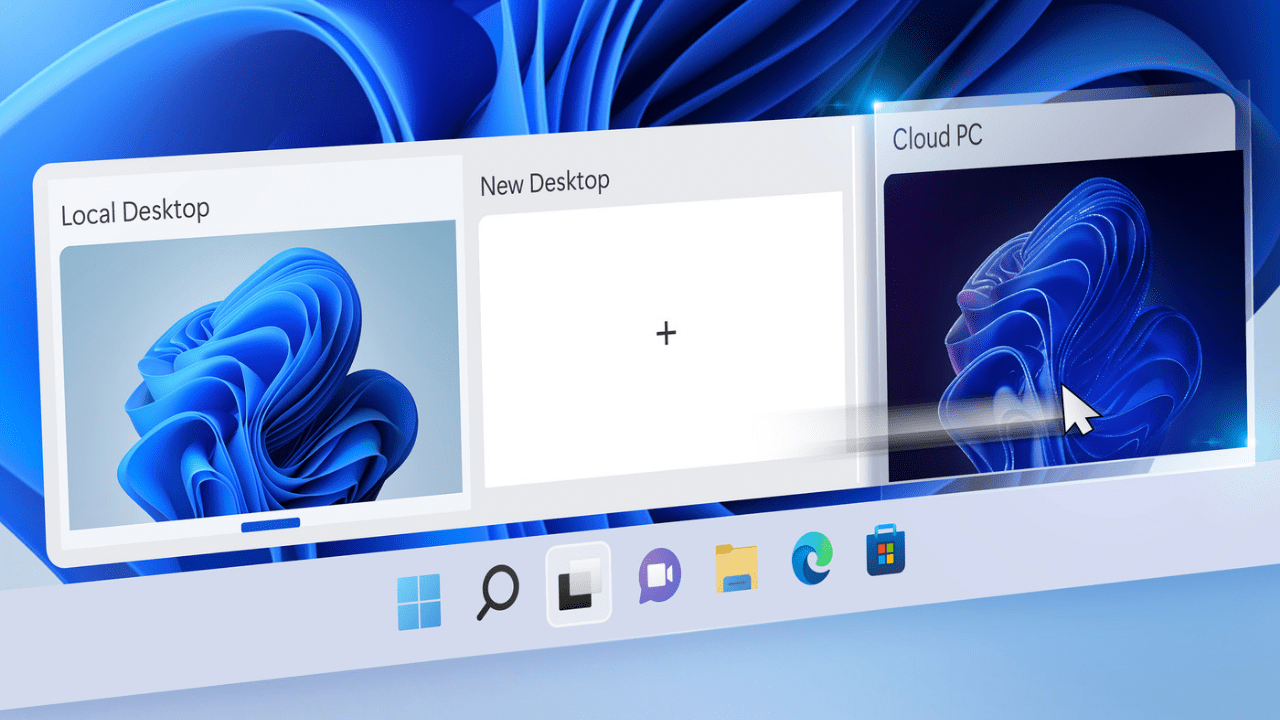
Windows 365 vs. Azure Virtual Desktop: Which Virtualization Solution Should You Choose?Both Windows 365 and Azure Virtual Desktop perform a similar function for end users, which is providing access to a…


GETTING STARTED
-
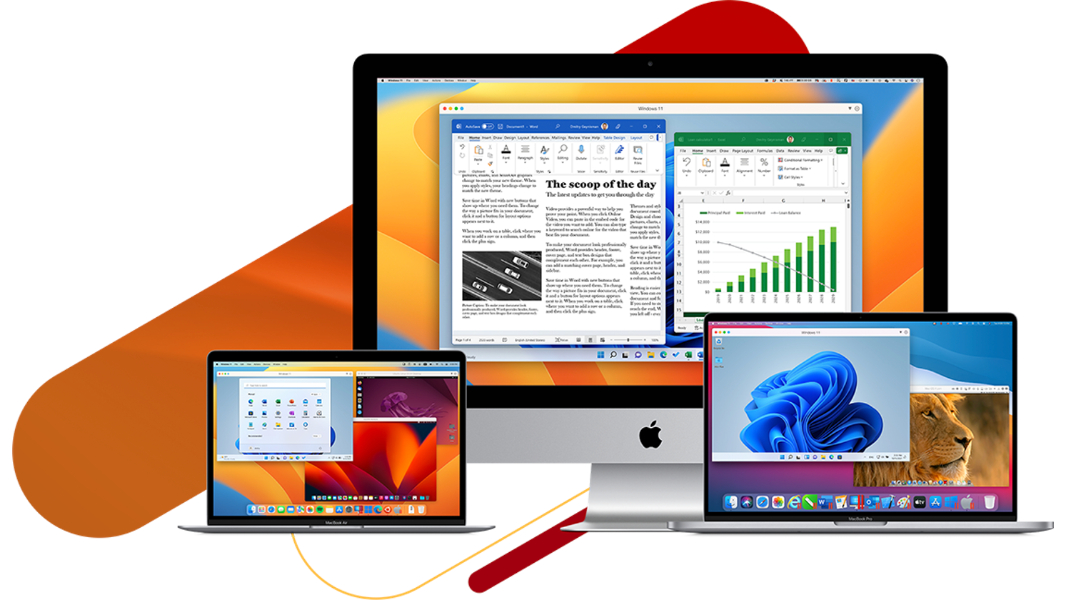
How to Install Windows 11 on a Mac with Parallels DesktopWindows 11 is the first version of Windows that Mac users can’t install natively on Mac. That’s because Intel-based Macs…
-
How to Enable Hyper-V in Windows 10Windows 10 Pro, Enterprise, and Education editions contain a free virtualization software named Hyper-V. The underlying code works nearly the…
-
How to Enable Nested Virtualization in Windows 10 Hyper-VHyper-V is the built-in hypervisor that comes free in Windows and Windows Server. It is used to run virtual machines…

TUTORIALS
-
Optimizing the VDI User Experience with FSLogix Containers and Application MaskingRemote and virtual desktop solutions provide a flexible way for users to access remote services securely while maintaining control of…
-
Securing Azure Virtual Desktop with Microsoft Entra ID Conditional AccessAzure Virtual Desktop (AVD) is a Platform-as-a-Service (PaaS) to provide access to Windows 10 and Windows 11 desktops and applications…
-
Install Windows 11/Server 2022 in VMware Workstation 17 ProIn this article, I’ll show you how to successfully install Windows 11 or Windows Server 2022 in VMware Workstation 17…