
Michael Reinders
Petri ContributorMichael has been an IT Pro since 1998. He has worked predominantly in the Windows world including client and server operating systems, on-prem systems engineering (AD, DNS, etc.), and over the last ten years or so has embraced and immersed himself in all things Microsoft 365 - including Exchange Online, SharePoint Online, Teams, OneDrive, and Microsoft Entra ID. He has written articles here on Petri based on these technologies. Michael strives to help other IT Pros with getting more efficient (especially with PowerShell) in their day-to-day tasks and offering solid assistance on larger projects.
LATEST

How to Use Microsoft Entra Cloud Sync (Azure AD Connect Cloud Sync)
Last Update: Sep 03, 2025
- Mar 27, 2023
-

Many of you have been using Azure Active Directory Connect to manage your hybrid identities and synchronization of users from Active Directory to Azure Active Directory (recently renamed Microsoft Entra ID). This modern technology is called Azure AD Connect cloud sync. In this article, I’ll walk you through the installation and basic configuration of Azure…
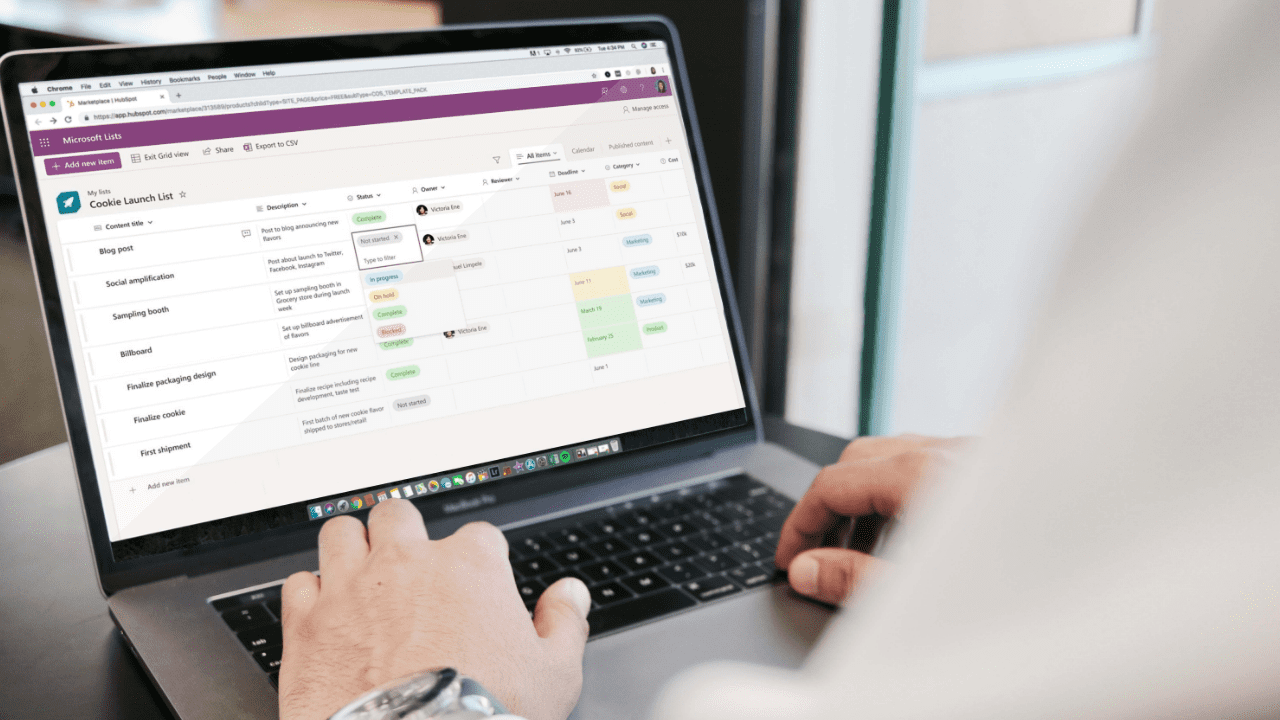
What is Microsoft Lists? A Productivity Guide
Last Update: Dec 03, 2024
- Mar 20, 2023
-
Microsoft Lists is the evolution of the SharePoint List feature. Several years ago, the Microsoft brain trust set out to make this ultra-powerful tool more accessible to the masses. By removing ‘SharePoint’ from the marketing pages, and making it ‘an app’, they succeeded in surprisingly productive ways. In this article, I will explain what is…

How to Enable Hyper-V in Windows 10
Last Update: Jun 08, 2025
- Mar 13, 2023
-
Windows 10 Pro, Enterprise, and Education editions contain a free virtualization software named Hyper-V. The underlying code works nearly the same as what’s provided in Windows Server. In this article, I will discuss how to enable Hyper-V on Windows 10, how to create your first virtual machine, and briefly talk about nested virtualization. How to…

How to Use OneDrive for Business: A Complete Guide
Last Update: Jun 06, 2025
- Feb 27, 2023
-
Installing and using OneDrive for Business will help your users be more productive with their files, from any place with an Internet connection. Do they know how to access the OneDrive website? Do they know how to use the OneDrive sync app in Windows? Read on to discover everything you need to know about how…

Windows File Sharing with SMB: Port 445, 139, 138, and 137 Explained
Last Update: Sep 14, 2026
- Feb 20, 2023
-
Many IT pros probably take for granted sharing files on their predominantly Windows environments and local area networks. Although several protocols are available, Server Message Block (SMB) is clearly the most prevalent. This article examines how Windows file sharing works over ports 445, 139, 138, and 137. Quick overview of SMB SMB is a client‑server…
LDAP, OpenLDAP, and Active Directory: What’s the Difference?
Last Update: Jun 06, 2025
- Feb 13, 2023
-
LDAP vs Active Directory and OpenLDAP are the most used identity and access management solutions today. In this article, we’ll explain how they work and help you determine which one is the right choice for your network. LDAP vs Active Directory: What’s the difference? In general, there’s a pretty good chance that you’re more familiar…
How To Find Windows 10 Stop Codes and Fix Errors Quickly
Last Update: Jun 18, 2025
- Feb 06, 2023
-
Windows 10 doesn’t reliably give you easy access to stop codes when it crashes. Plus, these codes may flash on your screen for just half a second! In this guide, we’ll show you how to find Windows stop code fix methods, understand the reasons behind Windows crashes and guide you to solidify your Windows reliability…
What Are the UPN and sAMAccountName User Account Attributes?
Last Update: Feb 01, 2023
- Jan 30, 2023
-
The UPN and sAMAccountName are user account attributes in Active Directory. In this article, I’ll explain how these two user account attributes work and how the username and user logon name can be used in your organization. What are user naming attributes in Active Directory? In the world of Active Directory, there are two core…

How to Export Active Directory Users to CSV With PowerShell and ADUC
Last Update: Jun 07, 2025
- Jan 23, 2023
-
In this article, I’ll show you how to export Active Directory users to a CSV file using PowerShell and Active Directory Users and Computers (ADUC). Using PowerShell is recommended as IT Pros can use it to extract task-specific information about a subset or all of their users from Active Directory. This can be really helpful…

Collaborating with Microsoft 365: File Sharing, Real-Time Co-Authoring, and Microsoft Loop Components
- Jan 20, 2023
-
Microsoft 365 includes powerful collaboration features that allow teams to work on and share Office documents more easily than ever before. But do you understand how file sharing works within Microsoft 365 and how to manage and secure your files? In this article, we’ll take you through the basics of file sharing and collaboration in Microsoft…

RAID 5 vs. RAID 10: What’s the Difference and Which One Is Best?
Last Update: Jul 31, 2024
- Jan 16, 2023
-
Key takeaway: RAID 5 provides good read performance and it can tolerate one disk failure in a minimum 3-disk array. RAID 10 provides fast read and write performance and it can potentially tolerate up to 2 drive failures in a minimum 4-disk array. RAID 5 and RAID 10 are two different redundant array of independent…

ManageEngine ADSelfService Plus: Protect On-Premises and Cloud Services from Password Attacks with Multi-factor Authentication
Last Update: Apr 17, 2024
- Jan 12, 2023
-
Advanced password attacks, like brute force and those launched by malicious insiders, are devastating the security of today’s enterprises and cloud services. ADSelfService Plus from ManageEngine can protect web properties from such attacks with multi-factor authentication (MFA). Multi-factor authentication is the best way to protect Active Directory and cloud-based user accounts As the impacts of…