Blog

Microsoft Sentinel and Security Copilot Gain New Agentic Features to Tackle Evolving Cyber Threats
- Sep 30, 2025
-


Microsoft has introduced new agentic security capabilities in Microsoft Sentinel and Security Copilot. These features are designed to help security teams stay ahead of increasingly complex threats and safeguard their organizations in the era of agentic AI. According to Microsoft, organizations are rapidly transforming into “frontier firms” where human expertise and AI agents work side…

Microsoft Entra Connect Health: What You Need to Know
- Sep 30, 2025
-


Microsoft Entra Connect Health (formerly Azure AD Connect Health) is a tool designed to give you visibility and troubleshooting information over synchronization between on-premises Active Directory and Microsoft Entra ID in the cloud. Let’s dive into the basics of what it is and how it can benefit you. What is Microsoft Entra Connect Health? Microsoft…

Microsoft Launches SharePoint Knowledge Agent to Boost Copilot and Content Workflows
- Sep 29, 2025
-
Microsoft has rolled out the public preview of its new SharePoint Knowledge Agent, an AI-powered assistant built to transform content management for commercial customers. The tool is designed to enrich, organize, and maintain SharePoint content automatically, and it makes information more accessible across Microsoft 365. Microsoft’s new SharePoint Knowledge Agent enhances pages and files by…

LockBit 5.0 Ransomware Emerges as a Major Cross-Platform Threat to Enterprises
- Sep 29, 2025
-
Security researchers have discovered a new strain, LockBit 5.0, that raises the stakes in ransomware attacks. Unlike its predecessors, this variant can simultaneously target Windows, Linux, and VMware ESXi environments, which makes it a far more dangerous cross-platform threat. According to Trend Micro researchers, this new iteration of the LockBit ransomware comes with enhanced evasion,…

First Ring Daily: Maui’s Chips
- Sep 26, 2025
-


In this episode of First Ring Daily, Brad Sams and Paul Thurrott discuss Qualcomm’s latest Snapdragon X series chips for PCs, and they also try to make sense of Nvidia’s recent $5 billion investment into Intel.

Microsoft Drops Fees for Windows 10 Extended Security Updates for Consumers in Europe
- Sep 26, 2025
-
Microsoft will now offer free Windows 10 Extended Security Updates (ESUs) for consumers in the European Economic Area (EEA). This change follows pressure from consumer organizations, who alleged that Microsoft’s previous ESU conditions violated the Digital Markets Act. Last year, Microsoft announced that the Windows 10 ESU program would be available to consumers until October…

Why OAuth Blind Spots Keep Putting SaaS Supply Chains at Risk
- Sep 25, 2025
-
Russell Smith
 Russell Smith
 When Drift, acquired by Salesloft last year, suffered a breach in August 2025, the incident underscored a problem security teams have long underestimated: OAuth integrations. Attackers leveraged stolen tokens to move laterally, gaining access to Salesforce and Google Workspace environments across hundreds of organizations. The breach highlights how OAuth—a technology meant to simplify identity and…

Are You Ready? Microsoft Urges Upgrade as Office 2016, 2019 Near End of Support
- Sep 25, 2025
-
Microsoft has issued a final warning that Office 2016 and 2019 will reach the end of extended support next month. The company is urging organizations still relying on these versions to upgrade immediately to avoid security risks, compliance challenges, and productivity disruptions. Microsoft Office 2016 and 2019 will reach end of their extended support on…

Microsoft Simplifies Cloud Migration with New Azure Migrate Features
- Sep 25, 2025
-
Microsoft has announced several new Azure Migrate features to help organizations move their on-premises workloads to Microsoft Azure. This release brings a new AI-powered agentic approach, Infrastructure as Code support, and advanced security enhancements. Microsoft has introduced a new agentic method that assesses IT environments, detects system dependencies, and automates the migration process. This approach…

Qualcomm Launches Snapdragon X2 Elite Extreme and X2 Elite for High-End Windows PCs
- Sep 24, 2025
-
Qualcomm has officially announced two new processors, Snapdragon X2 Elite Extreme and Snapdragon X2 Elite, which are designed for ultra-premium Windows PCs. These chips aim to deliver faster performance, improved energy efficiency, and advanced AI capabilities for demanding workloads. The Snapdragon X2 Elite Extreme and Snapdragon X2 Elite feature a custom-built 3rd generation Qualcomm Oryon…
How To Create an Entra ID (Azure AD) Tenant: Step-by-Step Guide
- Sep 24, 2025
-
Learn why you may want to create a new or additional Microsoft Entra ID (Azure Active Directory) tenant. What questions do you need to answer before creating one? Do you go down the ‘Microsoft Entra ID’ route or ‘Azure AD B2C’? What are the implications of each? Read my article to get answers to all…
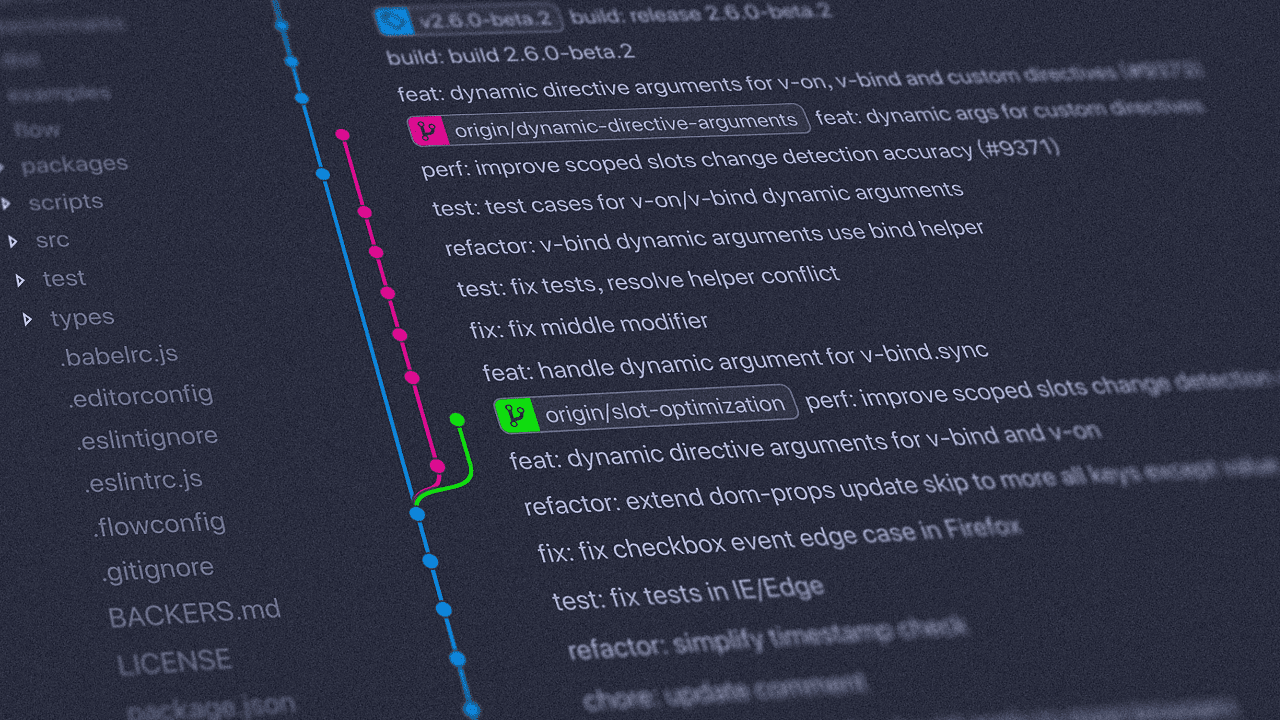
GitHub Announces New Security Updates to Block NPM Supply Chain Attacks
- Sep 24, 2025
-
GitHub has announced a series of security updates this week to counter supply chain attacks targeting the NPM ecosystem. As part of the effort, the company removed 500 malicious packages and blocked others carrying indicators of compromise. The NPM ecosystem is a vast network of open-source JavaScript packages and tools managed through the Node Package…