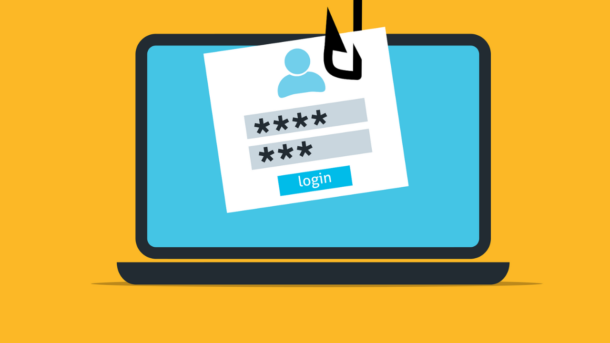
Identity-Based Attacks Are Bypassing Traditional Security Controls
As attackers increasingly abuse trusted identities, cloud services, and collaboration platforms, security teams may need to rethink how they detect and respond to modern threats.

Key Takeaways:
- Threat actors are increasingly targeting identities rather than endpoints to gain access to enterprise environments.
- Phishing, token theft, session hijacking, and fake IT support scams are becoming common intrusion methods.
- Organizations may need stronger identity protections, visibility, and authentication controls to address evolving threats.
Organizations have spent years strengthening endpoint and network defenses, but attackers are increasingly bypassing those controls by targeting identities, trusted cloud services, and everyday collaboration tools. A new study found that phishing campaigns, token theft, session hijacking, and fake IT support scams delivered through platforms like Microsoft Teams have become some of the most effective intrusion methods. Threat actors also abuse legitimate authentication workflows, making malicious activity appear normal.
Consequently, traditional security tools can struggle to distinguish legitimate user behavior from attacker activity. When threat actors successfully compromise accounts or authentication tokens, they can move through cloud environments, access sensitive data, and maintain persistence without deploying obvious malware. This increases the risk of prolonged breaches, data theft, and operational disruption while reducing the chances of early detection.
Cybersecurity experts recommend a stronger focus on identity security
To address these risks, organizations should assume that identities are now the primary target for attackers and adjust their security strategies accordingly. Security teams should strengthen identity defenses by deploying phishing-resistant authentication methods such as passkeys, which enforce stronger access controls, monitor for suspicious account activity, and improve visibility across cloud applications and collaboration platforms. This report also highlights the importance of detecting abuse of legitimate services and authentication workflows.
It’s also recommended to adopt a proactive security posture that combines identity protection, continuous monitoring, and rapid incident response. As cybercriminals increasingly exploit trusted users, devices, and cloud services instead of software vulnerabilities, organizations need better visibility into how accounts are being used and stronger safeguards to prevent compromised credentials or authentication tokens from becoming a path to broader network access. While these measures may require additional investment and user training, they can significantly reduce the risk of identity-based attacks and long-term compromises.
However, stronger identity security can introduce additional complexity for both IT teams and users. Organizations may need to invest in new security technologies, redesign authentication processes, and manage user adoption challenges. However, as attackers increasingly exploit trust rather than software vulnerabilities, this report argues that these investments are becoming necessary to reduce the risk of compromise and keep pace with evolving threats.

Rabia has a master's degree in Software Engineering and she has years of experience writing professionally about Microsoft products and other technologies. Rabia has also written for OnMSFT.com as well as Windows Report. She is always up to date on t...