Azure Monitor Adds Dynamic Thresholds to Detect Log Anomalies Without Manual Limits
This new capability adapts to changing patterns and reduces reliance on static alert configurations.

Key Takeaways:
- The AI-powered dynamic thresholds automatically filter out normal fluctuations and highlight genuine anomalies.
- Thresholds continuously adapt to changing workloads, usage patterns, and seasonal trends.
- This feature detect unusual spikes, resource changes, and emerging issues faster across large-scale cloud environments.
Microsoft has announced that dynamic thresholds for log search alerts are generally available in Azure Monitor. This new feature leverages machine learning to automatically determine normal behaviour from historical log data and identify anomalies without requiring manual threshold configuration.
According to Microsoft, traditional monitoring systems rely on static thresholds, which must be manually set and often fail to keep up with changing workloads and patterns. As systems grow more complex and dynamic, these fixed limits either trigger too many false alarms during normal fluctuations or miss genuine issues. This problem makes it harder for security teams to accurately detect meaningful anomalies and respond effectively.
“Dynamic thresholds make anomaly detection easier by using machine learning to learn normal behavior from your historical log query results, automatically account for patterns such as hourly, daily, and weekly seasonality, and adapt as your environment changes. Instead of manually choosing static limits that can quickly become outdated, you can let Azure Monitor automatically determine the right threshold for each alert rule,” Microsoft explained.
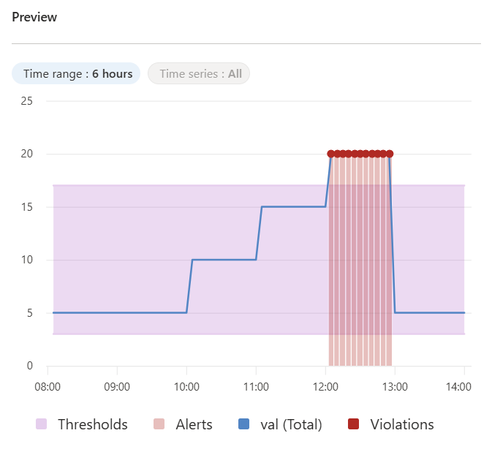
Microsoft mentioned that dynamic thresholds offer a more intelligent approach to monitoring by eliminating the need for manual setup and adjustments of alert thresholds. Instead, alerts automatically adapt to changing usage patterns and seasonal trends, while also scaling across multiple dimensions such as resources, namespaces, or subscriptions. This feature is included within standard alert pricing without any additional charges.
Practical use cases for dynamic threshold-based monitoring
With dynamic thresholds, administrators can detect unusual spikes in pod restarts by adapting to fluctuating workloads. It detects abnormal increases or decreases in cloud resources, which is useful for detecting unexpected deployments or deletions across large environments.
For IT teams, the dynamic thresholds feature transitions monitoring from a maintenance-heavy task to a more proactive approach. Security teams can focus on investigating real issues and improving system reliability rather than constantly reviewing and adjusting alert rules. It also helps to reduce alert fatigue, improves response accuracy, and allows security teams to manage large environments more effectively.

Rabia has a master's degree in Software Engineering and she has years of experience writing professionally about Microsoft products and other technologies. Rabia has also written for OnMSFT.com as well as Windows Report. She is always up to date on t...