Microsoft Bets on Local AI Processing with New Surface Devices
The new devices emphasize local AI performance, but businesses may still weigh Windows on Arm compatibility before deploying them at scale.
Key Takeaways:
- Microsoft introduced new 12-inch Surface Pro and 13-inch Surface Laptop devices powered by Qualcomm’s Snapdragon X2 Plus processor.
- The devices emphasize local AI processing, with Microsoft claiming significant gains in productivity, graphics, and NPU performance.
- Organizations evaluating the hardware may still need to consider Windows on Arm compatibility and deployment requirements before large-scale rollouts.
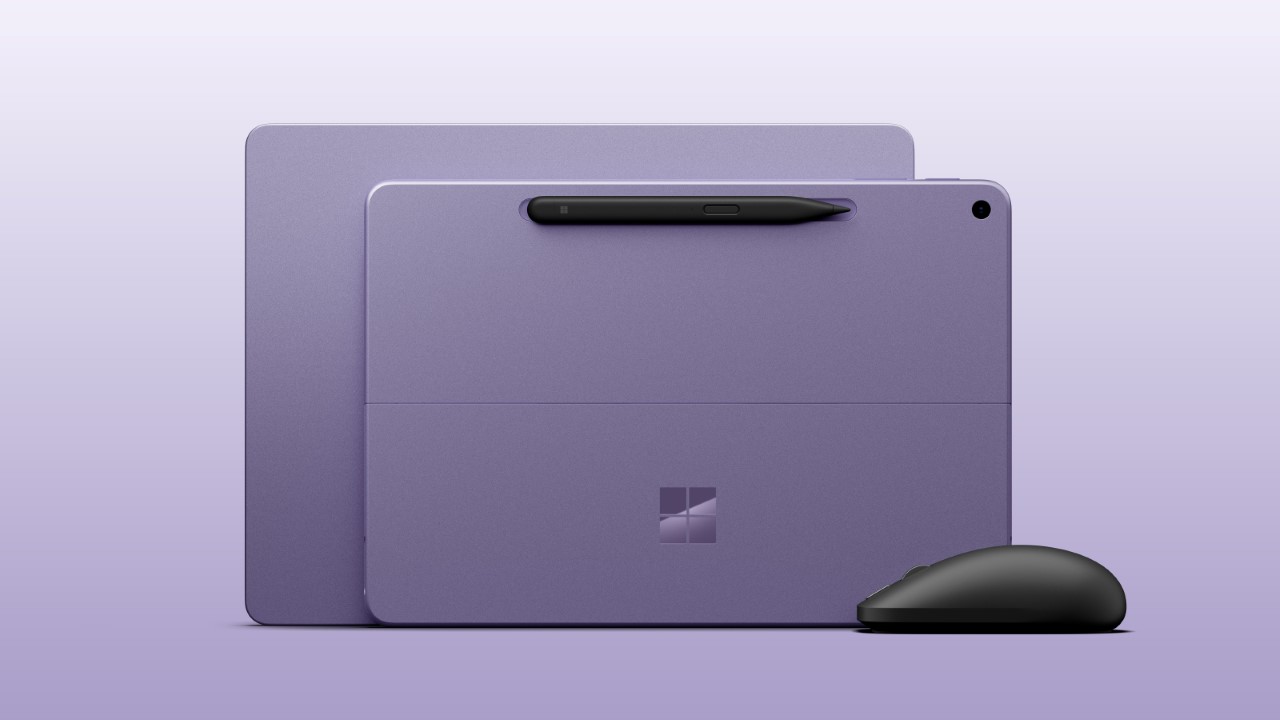
Microsoft has launched new 12-inch Surface Pro and 13-inch Surface Laptop devices powered by Qualcomm’s Snapdragon X2 Plus processor. The company is also launching a redesigned Surface Mouse that adds haptic feedback and deeper Copilot integration.
These new Surface devices come as Microsoft continues to push AI-powered Copilot+ PCs. The company has highlighted significant gains in productivity, graphics performance, battery efficiency, and on-device AI processing compared to previous generations. According to Microsoft, the new Snapdragon X2 Plus-powered Surface devices deliver up to 17% faster Office productivity performance, 18% better battery efficiency, more than 60% faster graphics performance, and up to 95% faster local AI inferencing on the NPU.
Surface Pro gets new AI-powered Ink Canvas features
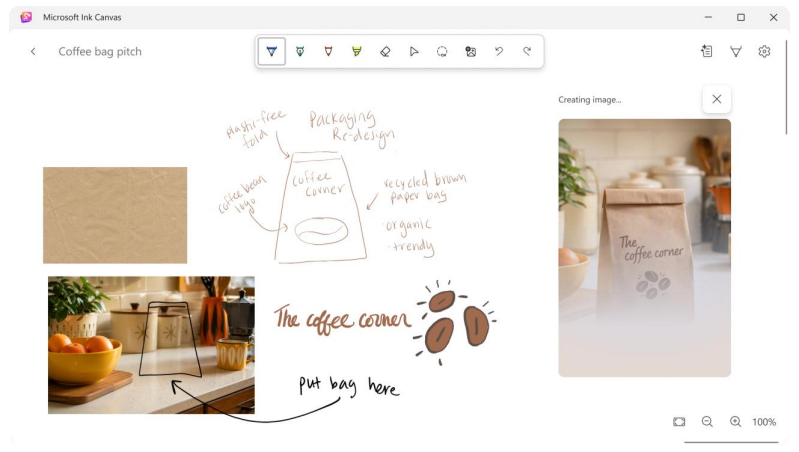
A notable addition to the 12-inch Surface Pro is Microsoft Ink Canvas, which is a new AI-powered experience designed for pen and touch users. This feature allows users to sketch ideas, add annotations, generate images, and summarize text directly within a digital canvas environment.
Microsoft is positioning Ink Canvas as a productivity and creativity tool that combines traditional inking capabilities with on-device AI processing. This feature indicates the company’s broader strategy of integrating AI experiences directly into Windows hardware instead of relying solely on cloud-based services.
The 12-inch Surface Pro also comes with a brighter PixelSense touchscreen display that reaches 500 nits, which is a 25% improvement over its predecessor. This device will be available in a new Black finish and starts at $1,149.99.
New Surface Laptop focuses on battery life and mobility
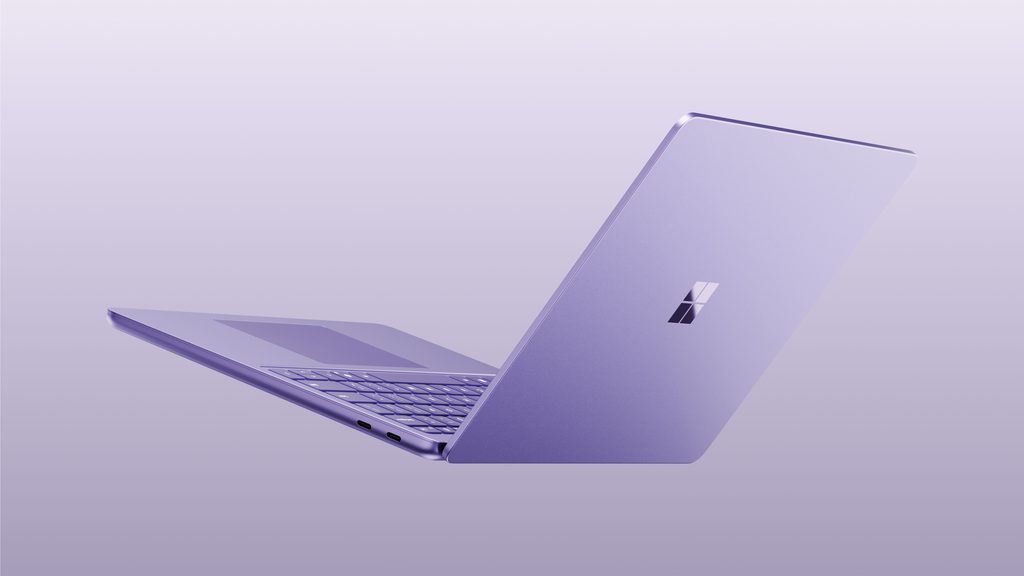
Microsoft is also updating the 13-inch Surface Laptop with a focus on mobility and all-day productivity. This new model features a full-size backlit keyboard, precision touchpad, an aluminum chassis, and a 3:2 PixelSense touchscreen display.
Like the Surface Pro, the new Surface Laptop’s display brightness has increased by 25% to 500 nits. Microsoft is also promising up to 22.5 hours of battery life, which makes it one of the longest-lasting devices in the Surface lineup. The new 13-inch Surface Laptop will be available in a new Black color option and starts at $1,199.
New Surface Mouse brings haptics and Copilot controls
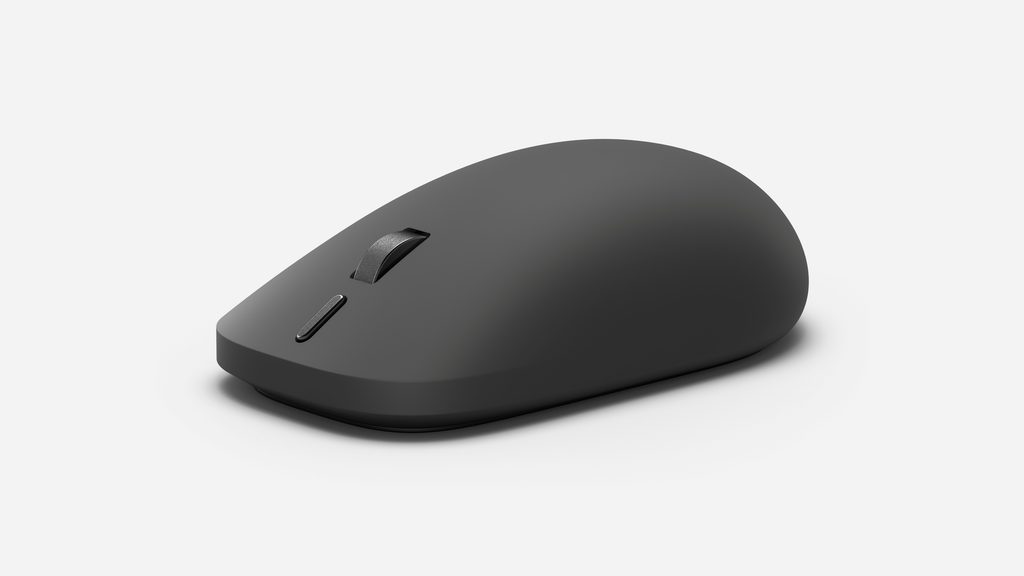
Microsoft has also redesigned its Surface Mouse with a focus on accessibility, sustainability, and AI workflows. The new mouse features an ambidextrous design for both left- and right-handed users, Bluetooth 6.0 connectivity, and a customizable action button that can be configured to launch the Copilot AI assistant or other frequently used shortcuts.
Microsoft has also introduced haptic feedback, which provides subtle physical responses to user actions that would normally only generate visual cues on screen. Microsoft says this feature is designed to create a more responsive and immersive experience. The new Surface Mouse will be available in Black and Platinum and starts at $79.99.
Availability
Microsoft said the new 12-inch Surface Pro and 13-inch Surface Laptop will launch in select markets starting October 13.
What do the new Surface devices mean for businesses?
Microsoft’s announcement focuses on performance, battery life, and AI features, but the new Surface devices also indicate the company’s broader strategy of bringing more AI processing directly onto Windows PCs. The improved NPU capabilities could help organizations run AI-powered productivity features locally, reducing reliance on cloud-based processing for certain workloads. Longer battery life may also make the devices more attractive for employees who work remotely or travel frequently.
The addition of Microsoft Ink Canvas also suggests that Microsoft sees AI becoming a more integrated part of everyday work, such as note-taking, content creation, and document review. However, organizations evaluating these devices will likely continue to assess application compatibility, device management requirements, and the maturity of the Windows on Arm ecosystem before considering broader deployments.

Rabia has a master's degree in Software Engineering and she has years of experience writing professionally about Microsoft products and other technologies. Rabia has also written for OnMSFT.com as well as Windows Report. She is always up to date on t...