AI-Powered Attacks are Exposing the Limits of Fragmented Security Operations
As attackers use AI to automate more of the cyber kill chain, Microsoft argues that disconnected security tools may be creating delays security teams can no longer afford.

Key Takeaways:
- Microsoft is introducing an Integrated Security Operations Center (ISOC) within Microsoft Defender.
- The platform unifies telemetry, investigations, threat intelligence, automation, and response controls.
- While consolidation may reduce operational complexity, organizations must decide how much authority to give AI-powered security workflows.
Security operations teams are facing growing pressure as attackers use AI to automate cyberattacks at greater speed and scale. While threat actors are increasingly benefiting from automation, many organizations still rely on disconnected security tools that force analysts to move between separate platforms for detection, investigation, and response. This fragmentation can slow security teams at a time when rapid response is becoming more critical.
This creates an increasing gap between attackers and security teams. Microsoft argues that security architectures built around multiple products and workflows create operational bottlenecks, which makes it harder for organizations to respond quickly to modern threats. As AI-powered attacks become more common, these delays could limit the effectiveness of security operations centers that depend heavily on manual processes and tool integrations.
Microsoft Defender adds Integrated Security Operations Center
To address this challenge, Microsoft is introducing its new Integrated Security Operations Center (ISOC) within Microsoft Defender. This platform combines security operations and threat protection capabilities into a single system designed for both human analysts and AI agents.
Microsoft is bringing together security telemetry, investigation tools, automation, threat intelligence, and response controls to give security teams a unified environment for managing threats and coordinating protection efforts.
“The capabilities practitioners need to investigate, hunt, automate, manage incidents, understand threats, and take action, are brought together and available by default. Instead of organizing their work around the boundaries between tools, teams can organize around the security outcome they are trying to achieve,” explained Rob Lefferts, CVP for Microsoft Threat Protection.
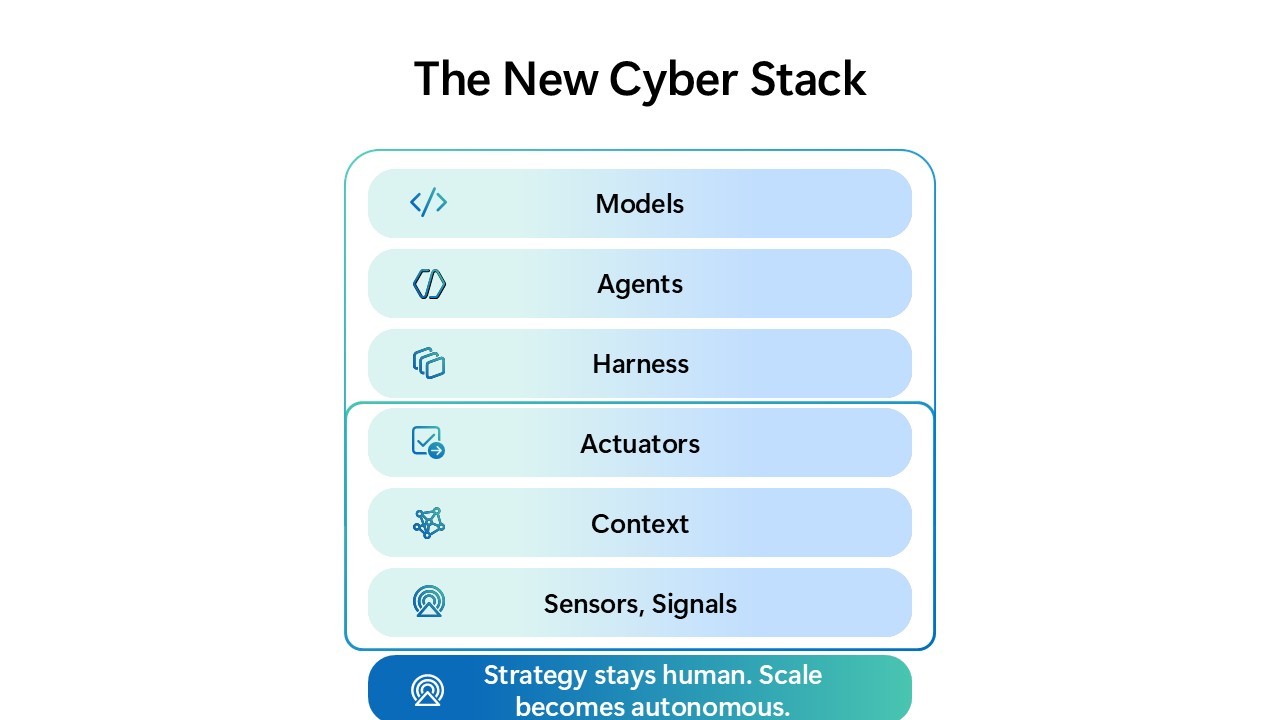
How does Microsoft’s Agentic Security Model work?
An important part of this initiative is Microsoft’s vision for “agentic” security, where AI agents can investigate incidents and take defensive actions using the same context and controls available to human analysts. The company says this shared foundation will enable more continuous protection and reduce the need for organizations to build and maintain complex integrations between separate security products.
However, this transition also reflects a broader industry move toward platform consolidation. Organizations that adopt Microsoft’s approach may benefit from reduced operational complexity and tighter integration between security tools, but they may also become more dependent on a single vendor’s security ecosystem. Security teams will still need to determine how much decision-making and incident response they are comfortable delegating to AI-powered workflows as autonomous security capabilities continue to evolve.

Rabia has a master's degree in Software Engineering and she has years of experience writing professionally about Microsoft products and other technologies. Rabia has also written for OnMSFT.com as well as Windows Report. She is always up to date on t...